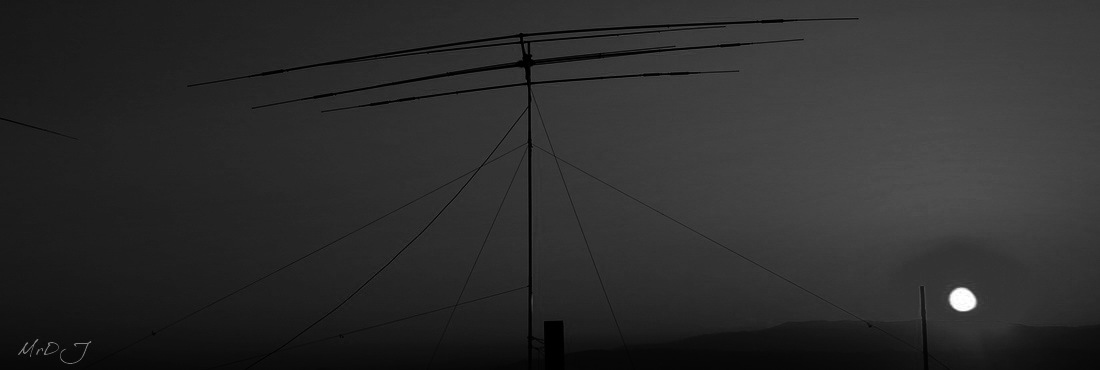
CG1H
PolandPostal address
Station
- CQ
- 15
- ITU
- 28
- Continent
- EU
QSL
- Bureau
- Direct
- LoTW
- eQSL
In today’s information-saturated world, a plagiarism checker https://paperwriter.com/plagiarism-checker is no longer a luxury for students or writers—it is a necessity. With essays, research papers, and online publications flooding the digital landscape, the temptation to “borrow” ideas, whether consciously or not, has become stronger than ever. What distinguishes ethical writing from careless duplication often lies in a single click—the moment one decides to verify originality before submitting a piece of work. Among the tools designed for this purpose, the Plagiarism Checker by PaperWriter stands out not only for its accuracy but also for its philosophy: it doesn’t merely detect copied text; it teaches integrity.
The Growing Challenge of Originality
Every generation of students faces its own academic pressures, yet none has been as closely monitored as today’s digital scholars. In the past, plagiarism was often limited to reusing printed material or “borrowing” a friend’s essay. Now, with millions of sources available online, even a few overlapping phrases can trigger suspicion. Teachers and editors, aware of how easily text can be replicated, rely on detection software to maintain academic fairness.
However, this approach introduces a new problem. When checking for plagiarism becomes purely mechanical, writers may feel alienated from the process, as if their creativity is being judged by an algorithm rather than appreciated for its effort. The PaperWriter plagiarism checker was designed to bridge that gap. It doesn’t just scan and punish—it explains, educates, and guides users toward better writing habits.
How PaperWriter’s Technology Works
At its core, PaperWriter uses a hybrid model of linguistic analysis and semantic comparison. Instead of flagging every similar phrase as copied, it assesses context. For instance, a common academic phrase such as “The results indicate a significant correlation between variables” appears in thousands of papers. Most plagiarism tools would highlight this automatically, marking it as problematic. PaperWriter’s system, however, identifies such standardized expressions and evaluates surrounding content to determine whether the overall work remains original.
Behind this precision lies a vast database of academic texts, articles, blogs, and web pages continuously updated to reflect new content. When a student uploads a paper, the system doesn’t simply run a text-to-text comparison—it analyzes structure, argument flow, and paraphrasing patterns. In other words, it can tell the difference between copying and inspiration.
Why Students and Professionals Trust It
What sets PaperWriter apart is its dual appeal. For students, it’s a safety net that prevents accidental plagiarism—a common issue for non-native English speakers and those unfamiliar with citation standards. For professional writers and researchers, it acts as a quality assurance tool, verifying that their work upholds originality before submission or publication.
More importantly, PaperWriter promotes learning. After completing a check, users receive a detailed report that doesn’t merely point out matching text but provides explanations and tips for improvement. This feedback loop transforms the plagiarism checker into an interactive writing coach. Instead of punishing mistakes, it helps users understand how to avoid them next time.
The Ethical Dimension of Digital Writing
In academia, the conversation around plagiarism often focuses on punishment—expulsion, failing grades, public embarrassment. But the deeper issue is ethical growth. Tools like PaperWriter encourage students to take responsibility for their intellectual footprint. They remind us that knowledge isn’t about repetition; it’s about contribution.
By using a plagiarism checker responsibly, writers participate in a culture of transparency. They acknowledge that their words exist within a broader ecosystem of shared ideas, where credit must be given to those who came before. PaperWriter’s approach subtly reinforces this mindset. It doesn’t just say, “You copied this”; it asks, “How can you express this idea in your own voice?”
Beyond Academia: Real-World Applications
The influence of originality extends far beyond the classroom. In journalism, marketing, and content creation, maintaining authenticity is critical for building trust. Brands that duplicate competitors’ material risk losing credibility overnight. Freelancers who plagiarize—even unintentionally—can face legal and reputational consequences.
PaperWriter’s plagiarism checker adapts well to these professional environments. It supports multiple document formats, handles large volumes of text, and integrates seamlessly with writing platforms. Its nuanced detection system makes it ideal for agencies that produce large batches of articles or blog posts. Instead of flagging harmless similarities, it prioritizes meaningful originality, saving editors hours of manual review.
The Human Touch Behind the Algorithm
One might assume that a plagiarism checker is entirely mechanical, but PaperWriter’s design tells a different story. Its development team includes linguists, educators, and writers who understand the nuances of language. They realize that writing is not a binary act of “copy” or “create”—it’s a spectrum of influence, where even the most original ideas are inspired by something.
This human-centric design philosophy gives PaperWriter a voice of empathy. It doesn’t treat users as potential cheaters but as learners navigating a complex intellectual world. Every alert and suggestion is crafted with that understanding.
Looking Ahead: The Future of Ethical Writing
As artificial intelligence continues to shape how we write and communicate, the meaning of originality will keep evolving. Generative AI can now produce text that feels convincingly human. In such a context, tools like PaperWriter are becoming more essential than ever—not to suppress creativity, but to preserve authenticity. They act as digital guardians of honesty, ensuring that even as machines help us write, the ideas remain genuinely ours.
The future of writing is collaborative—between humans and algorithms, between old knowledge and new insights. The Plagiarism Checker by PaperWriter embodies that balance. It’s not just software; it’s a philosophy of respect for intellectual effort.
Conclusion
In a world where content multiplies faster than we can read it, originality remains our most valuable currency. The Plagiarism Checker by PaperWriter offers more than detection—it offers understanding. It encourages writers to think critically, to learn from their sources, and to shape their unique voice within a sea of information. That’s what makes it more than a tool—it’s a quiet revolution in how we define honesty in writing.
Approximate position from the locator or QTH.